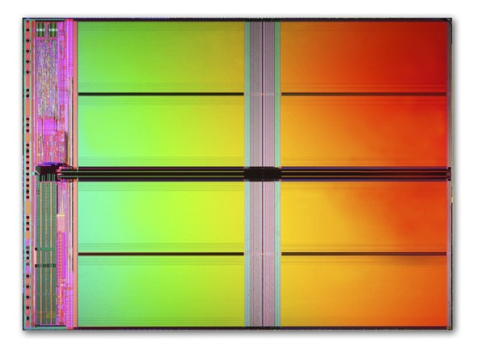
Just a few months back, we all gave SanDisk a round of golf claps for moving towards 43-nanometer NAND production. Fast forward to today, and that "feat" doesn't look so mighty anymore. Intel and Micron have just announced the industry's first sub-40nm NAND flash memory device, the 34nm 32 gigabit multi-level cell chip. The process technology was collaboratively developed by the two firms' joint venture, IM Flash Technologies (IMFT)," and there's nary a hint of shame when they trumpet that this is the "smallest NAND process geometry on the market." Sample shipments are expected to leave the dock in June, while mass production should get going sometime in the second half of this year. Somehow, we get the impression this won't stay on top for long.
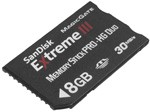
Beating Sony to the punch is SanDisk's new 8GB Memory Stick PRO-HG Duo card. The "Extreme III Memory Stick PRO-HG Duo" touts the most convoluted name in portable flash storage as well as 3x the performance -- 30MBps read and write -- of standard Memory Stick Pro Duo cards. As such, they are perfect for high performance DSLRs and camcorders. Available worldwide in June for $150.
Wednesday, May 28, 2008
at
6:31 PM
Posted by
Semen
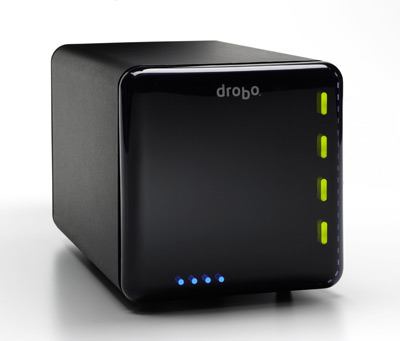
If you're having a tough time picking a storage solution, the Drobo folks may have just made your choice a lot easier. Starting today, the company is offering the first-ever bundles of its much-loved drive array with Western Digital GreenPower SATA hard drives in 2TB and 4TB configurations at a pretty deep discount. Besides knocking $50 off the price of a standalone Drobo (reducing the cost to $449), the 2TB and 4TB versions will clock in at $749 and $1075 apiece, giving you a savings of up to $528. The deals require a mail-in rebate, and you can still add any type of drive you want. Hit the read link for all the info, and for the love of all that's sacred... start backing up!
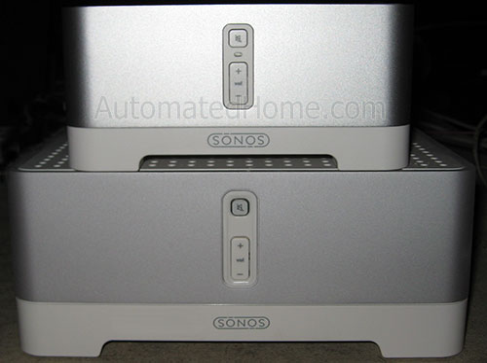
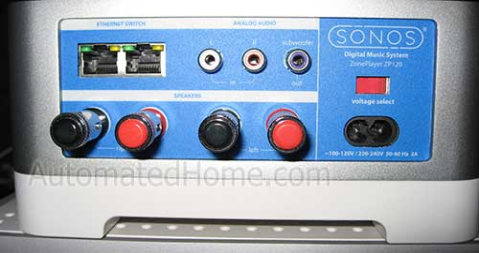
There you have it, Sonos' reputed ZP120 zoneplayer mounting its chubby ZP100 Appalachian cuz. The new amplified zoneplayer adds 802.11n to the mix while ditching the analog outs. Also rumored is an un-amplified, 802.11n ZP90 to replace the ZP80. When? We have no idea but you'll know when we do. Backside front after the break.
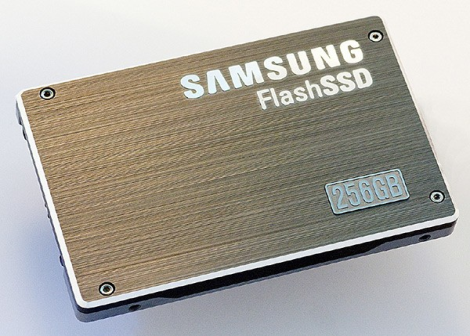
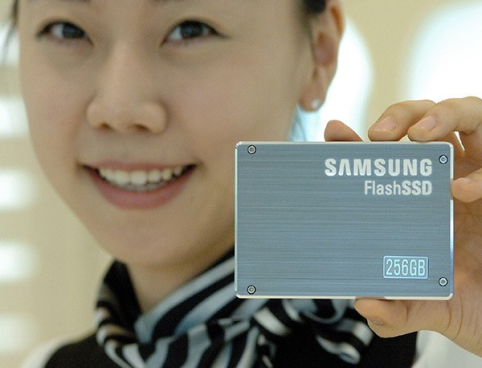
Uh oh, Samsung's just announced their first 256GB SSD. Not that you needed to know anything more than that to trigger salivation, but the MLC-flash SATA II drive has speeds of 200MBps read and 160MBps sequential write. Not like we'll be able to afford it or anything, but they'll be available come September, with a 1.8-inch version due in Q4.
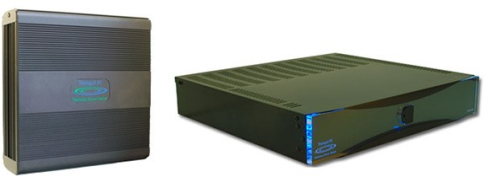
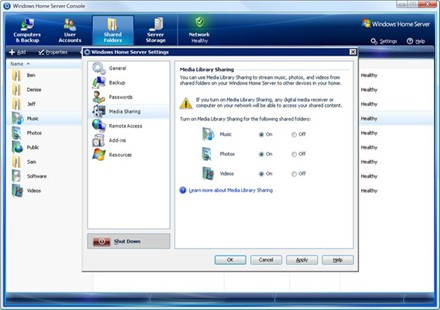
Well, doesn't Tranquil PC seems pretty stoked about their new Atom-based Harmony home servers? Though they're not exactly mind-blowing (to us, anyway), two new fanless models should be shipping in June: the T7-HSAi (left, with a single 3.5-inch drive or two 2.5-inch drives) and T2-WHS-A3i (right, with up to two 3.5-inch drives), both featuring Ethernet, four USB 2.0 ports, 512MB or 1GB RAM options, and running Windows Home Server. With base configs and 500GB drives, the T7 will start at ?278 ($550 US), and the T2 at ?299 ($590 US).
[Via: Engadget ] [Tag: T2-WHS-A3i,T7-HSAi,tranquil pc,TranquilPc,whs,windows home server,WindowsHomeServer ]
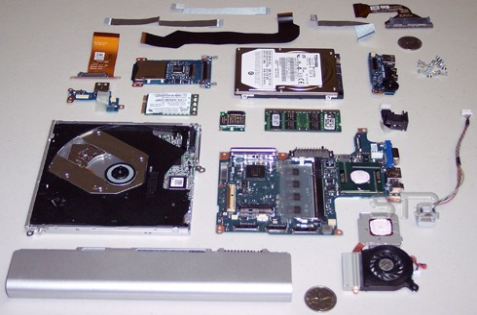
Sure, you've seen a plethora of R500 shots already, but this ultrathin Portege has somehow managed to keep its clothes on -- until now. One curious owner just couldn't resist the urge to operate, and after careful dissection, we're left with a handful of snaps showing off the unit's internals. Don't be shy, check out the whole lot in the gallery below. [Thanks, Jai] [Via: Engadget ] [Tag: cracked open,CrackedOpen,dissected,dissection,portege,r500,splayed,torn apart,TornApart,toshiba,ultraportable ]
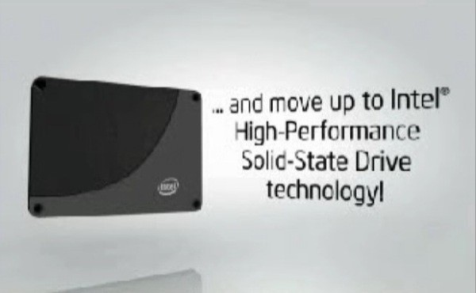
As evidence begins to amass around the imminent launch of Intel's consumer oriented High Performance SSDs, we finally get model numbers, dates, and capacities from Taiwan. According to DigiTimes and its "sources at PC makers," Intel is prepping a 2.5-inch Client X25-M SSD and 1.8-inch Client X18-M SSD for launch in Q3. Both of the SATA drives will initially launch in 80GB capacities before hitting 160GB by the end of Q4 -- 250GB and beyond in 2009. We'll guess that they'll be sporting the "world's fastest" SLC NAND co-developed with Micron making the drives tres cher fo' sho'. However they come, they'll likely be snuggled up to Intel's new Centrino 2 laptops when they do arrive. P.S. We dug up a promo video which we've bunged into the page after the break.
Guess what, loyal Windows Home Server users? A fix for that completely obnoxious data corruption bug is on the way. According to an email beamed out by the WHS team, the final release of Power Pack 1 is still aways out, but the public beta is all set to be loosed on those who willingly accept the associated risk(s). Said download is slated to launch in "early June," but those who want to get in on the pre-release fun are being encouraged to sign up now. Needless to say, those who toss their name in the ring better be sure their data is backed way up -- after all, the whole point of this test is to find any remaining holes that could render your files unusable. Keep an eye on that inbox for an invite, and if you're content with just getting the end product, the wait is growing ever shorter.
[Via: Engadget ] [Tag: beta,corruption,data corruption,DataCorruption,download,fix,media streamer,MediaStreamer,multimedia,software,solution,streaming,whs,windows home server,WindowsHomeServer ]
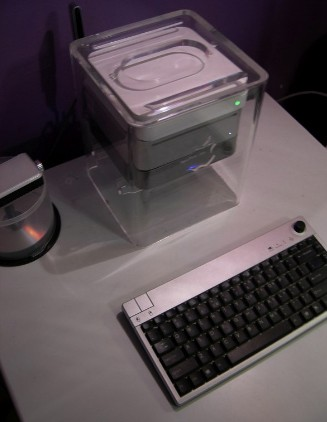
In Apple-loving households, there's a decent chance the Power Mac G4 Cube will never lose its luster. Case in point: one particular fanboy (yeah, we said it) took a gutted Cube housing and neatly fitted his Mac mini, Airport Extreme and "accessory HDD case" inside. Of course, he did have to exercise quite a bit of patience and showcase his cutting skills in order to make the optical drive accessible, but the end result is certainly something to be proud of. Hit the read link for the gallery of shots taking you from start to finish.
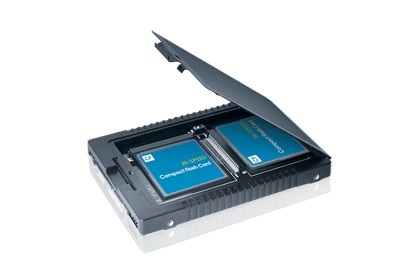
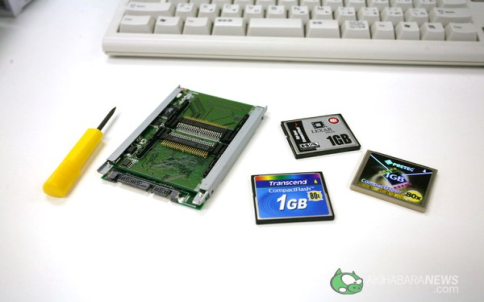
We've seen CF-SATA convertersbefore, but what if you were to create a SATA shaped, sized, and interfaced enclosure and allow users to throw Compact Flash cards in there to make their own SSDs for more standard installs? Sans Digital's CS1T is a single-card Compact Flash CF to 2.5" SATA enclosure and the CR2T is a dual-card enclosure that uses RAID to support up to 64GB. Both utilize IDE and, when closed, look and act just like 2.5-inch HDDs for your various installation needs.
We've seen CF-SATA convertersbefore, but what if you were to create a SATA shaped, sized, and interfaced enclosure and allow users to throw Compact Flash cards in there to make their own SSDs for more standard installs? Sans Digital's CS1T is a single-card Compact Flash CF to 2.5" SATA enclosure and the CR2T is a dual-card enclosure that uses RAID to support up to 64GB. Both utilize IDE and, when closed, look and act just like 2.5-inch HDDs for your various installation needs.
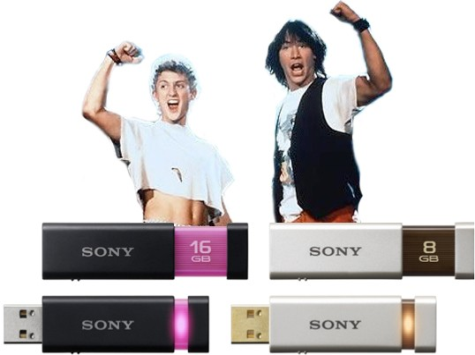
Sony's MicroVault Click and Click Excellence range of USB drives were just announced in Europe. "Click," as in a clicking, retractable design with up to 16GB of flash capacity. "Excellence," as in an un-heinous 32MBps read and 11MBps write speed with a comforting, blinky-LED light for visual data flow. Unfortunately, the most excellent model is limited to a non-triumphant 8GB max capacity. Whoa, dudes.
Akihabara News managed to snap up Century's 3x Compact Flash adapter for review. As expected, the do-it-yourself SATA adapter aggregates a trio of CF cards and presents them as a single solid state disk to your computer in either RAID 0 (better capacity) or RAID 5 (better integrity) modes. The one caveat is this: the speed of the SSD is determined by the slowest CF in the mix. Regardless, this is without a doubt the most inexpensive way to create a quick and dirty SSD at about half the cost of an off-the-shelf, retail model. Check the action after the break.
Wednesday, May 21, 2008
at
6:29 PM
Posted by
Semen
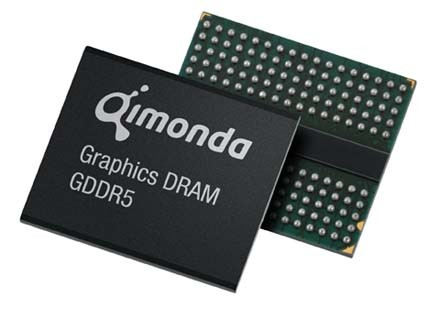
A full six months after Samsung took the wraps off of GDDR5 memory, along comes word from AMD that the next-generation ATI Radeon graphics cards will boast said technology. Apparently AMD will be tapping Qimonda for its supply of GDDR5 modules, which should boost gaming performance as well as benefit stream processing, "where GPUs are applied to address complex, massively parallel calculations." As Hot Hardware points out, the release comes just weeks away from the rumored debut of the Radeon 4000 series, so if our deductive reasoning is sound, we'd surmise that the looming Radeon 4800 will indeed feature GDDR5.
[Via: Hot Hardware ] [Tag: amd,ati,GDDR5,gpu,graphics,graphics card,GraphicsCard,Qimonda,radeon,radeon 4000,Radeon 4800,Radeon4000,Radeon4800,ram ]
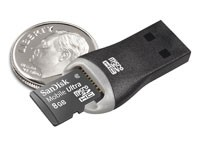
There's not much new to see in SanDisk's new Mobile Ultra line of memory cards other than some branding that's sure to confuse people at their local electronics shop, but we'll indulge the idea anyway. The cards come with USB adapters to make transfers to PC easier and are shipping in microSDHC and Memory Stick Micro (M2) flavors in 2, 4, and 8GB varieties. Prices range from $34.99 to $129.99 depending on the card type and capacity.
Fujitsu has a MHZ2 for nearly any application: hardcore security, tight spaces and now continuous operations. The 2.5-inch MHZ2-BK (7,200 RPM) and MHZ2-BS (5,400 RPM) SATA drives are being offered up in sizes as large as 250GB, and as you could likely guess, they'll keep right on keepin' on even under heavy nonstop loads. Designed specifically for use in "business critical and industrial applications that require higher storage capacity," these HDDs are meant to survive the most grueling of tasks, though we're not specifically told what all they actually can live through. Nevertheless, trusting souls can snap up a couple of the MHZ2-BS units right now (pricing not disclosed), while the quicker MHZ2-BK series won't be available until July.
You know all that network hardware that runs quietly 24 hours a day in server rooms around the world? What if black-hats could exploit remote firmware flashing utilities to take over -- or completely destroy -- vulnerable gear? Though still theoretical, PDOS -- permanent denial-of-service -- attacks will be demonstrated by researchers from HP Security Labs at the EUSecWest security conference in London this week. "Phlashing", as it's being referred to, focuses on exploiting network-enabled firmware updates, making use of a fuzzing tool that tricks hardware into flashing anything from back-door access to a corrupt image, causing complete and permanent hardware failure. There's no reason to panic just yet (especially not when it comes to consumer devices, which typically don't support remote firmware updates), but given the amount of unattended and relatively dormant enterprise network hardware out there, this could be something for admins to seriously think about.
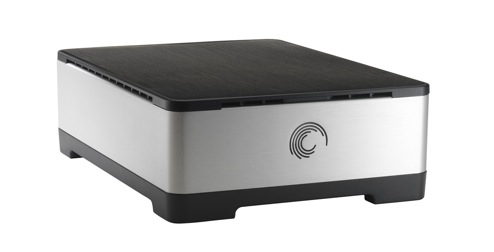
Seagate is taking their first crack at external DVR storage with the Showcase line of HDDs. The Showcase drives range in size from 250GB to 1TB, work with both eSATA and USB connections, and can record a whopping 12 HD streams simultaneously. For now, Motorola cable boxes are the only ones compatible with the Showcase, so TiVo owners and others should hold off until we hear more. They'll be on sale this fall, full release after the jump. [Seagate] THE CABLE SHOW '08, New Orleans — May 19, 2008 — At NCTA's Cable Show, Seagate Technology (NYSE:STX) announced it will introduce its SeagateВ® Showcaseв„ў storage solution, a new series of products that extends the storage capacity of your Digital Video Recorder (DVR), so you never have to say goodbye to your favorite movies and television shows. Seagate also announced that the Showcase family of products will be designed to be compatible with Motorola's market leading e-SATA capable high-definition (HD) digital video recorder (DVR) set-top portfolio.The new Showcaseв„ў products will provide television and movie fans with the ability to store even more shows, movies and sporting events. With initial capacities up to 1TB, consumers will be able to keep up to 200 hours of additional HD movies or 1,000 hours of additional standard definition television. You'll never have to choose between your kids' favorite shows or the big game. Plug-and-play capability, via standard USB 2.0 or eSATA connection, makes setup easy while the stylish design fits seamlessly into entertainment centers and complements the look of existing A/V equipment."Today's consumers are constantly demanding more storage for high-definition video and high-fidelity audio - and they want it as part of their home entertainment system," said Patrick King, senior vice president of Seagate's Consumer Solutions Division. "We believe that the Seagate Showcase product line will take its place alongside the receiver, speaker system and television as a must-have component for the entertainment center. We are pleased to be working with Motorola to enable an enjoyable consumer experience.""As consumer video consumption continues to increase at exponential rates, Motorola strives to provide flexible and cost-effective solutions" commented Larry Robinson, vice president, Set Top Product Management at Motorola. "By demonstrating interoperability with the Seagate Showcase storage solution we are offering consumers additional compelling storage options for their entertainment content."The new Showcase family will feature Seagate's recently announced Pipeline HDв„ў Series of hard drives purpose-built for DVRs. Seagate Pipeline HDв„ў Series hard drives are the gold standard in high definition performance and capacity with bedroom-quiet acoustics, low power operation and the ability to support up to 12 simultaneous HD streams. The drives are Windows Vista Certified, making them an ideal solution for Home Media Centers.Seagate is working with Motorola, the leader in digital set-tops with over 73 million shipped, to deliver external storage solutions for DVRs. By connecting a Seagate Showcase product with its included eSATA cable, the capacity of these DVRs can instantly be increased - eliminating the need to delete your favorite movies or shows. The 1TB Seagate Showcase drive can be seen exclusively in the Motorola booth # 1405 during The Cable Show '08 at the Morial Convention Center in New Orleans.AvailabilitySeagate Showcaseв„ў products are scheduled to be available for purchase on the Seagate website beginning in the third calendar quarter of 2008. [Via: Gizmodo, The Gadget Blog ] [Tag: ]
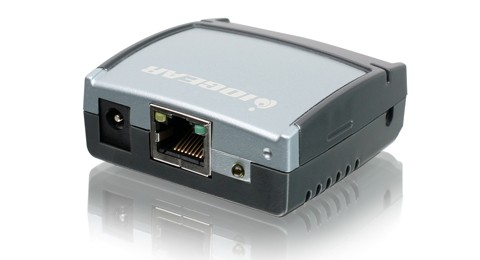
We're not exactly hurting for wireless, USB-sharing options right about now, but when it comes to devices that let us yank another cable from our desk, we're all for a bit of excess. This latest one comes to us from IOGEAR, which opted for the sharing-over-network method with its new Net ShareStation. Like other similar devices, this one plugs straight into your router (wireless or otherwise) and, in this case, accommodates up to four USB devices of your choice, although you'll need to provide your own AC-powered 4-port USB hub if you plan to use more than one device with it. If that last rather lame detail isn't a deal-breaker for you, you can get your hands on this one now for $80.
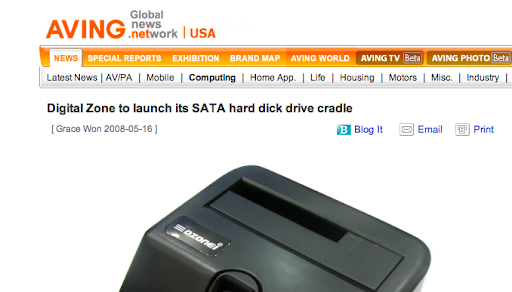
It is a truth universally acknowledged that girls are good at multi-tasking, but one has to wonder what Aving USA's Grace Won was thinking about when she wrote about DZone's SATA hard-disk-drive cradle. [Aving USA]
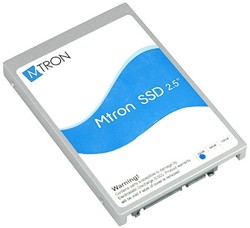
We've had a little love affair going on with storage vendor Mtron ever since we saw that "battleship" SSD RAID array, and it looks like the company is after our hearts once again, this time with the Pro 7500 series of SSDs, which it says are the fastest around. That's really only half-true -- while the 120MB/s write speed is definitely the fastest we've seen, the 130MB/s read speed is the same those Greenhouse's DH-SSDGD drives we just saw a couple days ago. Still, that's mighty fast -- too bad these are probably going to be priced into the stratosphere like Mtron's other SSDs.
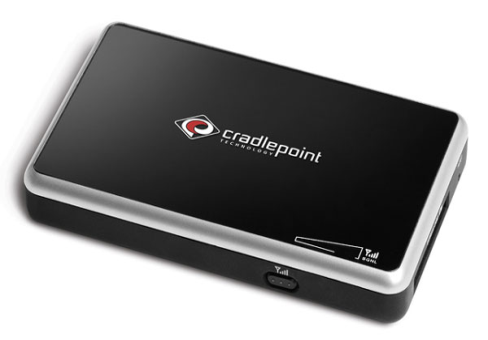
It's been a while since we've heard anything from the mobile-friendly folks at Cradlepoint, but it looks like they've hit all the right marks with their new 3G-ready CTR500 travel router, which takes all the features of the previous CTR-350 model and adds a few welcome additions. The biggest of those is an ExpressCard slot, which complements the existing USB port to accommodate whatever 3G modem or 3G-capable cellphone you might have. You'll also, of course, get a 10/100 Ethernet port, and full 802.11b/g compliance, along with support for an external 802.11 antenna (sold separately) if you need a bit more range. If that sounds like the upgrade you've been waiting for, you can get your order in now for $180, although the routers apparently won't start shipping until June 1st.
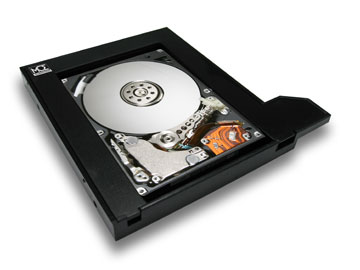
No stranger to taking Macs beyond their standard issue capabilities, MCE has now pulled yet another entirely unofficial trick out of its hat, with this one giving 17-inch MacBook Pro owners a significant storage boost. As with some of its other mods, this one replaces the MacBook Pro's optical drive with a 2.5-inch hard drive (500GB in this case) and, to hit the magical 1TB mark, it also replaces the laptop's standard hard drive with another matching 5,400 rpm 500GB drive. To ensure none of that original hardware goes to waste, the kit also includes external USB 2.0 enclosures for both the original hard drive and the optical drive, although we wouldn't expect any less given that the kit costs a hefty $800 (or more if you want MCE to install it for you). [Via: PC World ] [Tag: macbook mod,macbook pro,macbook pro mod,MacbookMod,MacbookPro,MacbookProMod,MCEmacbook ]
When it comes to drives, it's all about space and speed. That's why we were happy to see that Greenhouse is boasting that the DH-SSDGS series is the "industry's fastest" -- sure, we can't verify that claim, but at least they're trying to get our attention. Regardless, the new drives read at up to 130MB/s with write speeds of 67MB/s, with capacities that range from 16GB up to 128GB. Drive size is a standard 2.5-inches, with a 9.5mm height. Greenhouse says the SATA-compatible boxes will be available in late May (in Japan at least), no word on pricing. [Via: Impress ] [Tag: DH-SSDGD,greenhouse,solid state drive,SolidStateDrive,ssd ]
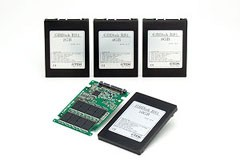
It's far from the firstSATA-compatibleSSD drive, but TDK seems to think its new GBDisk RS1 series drives will be just the ticket for some very particular users (though not likely you or us). Apparently designed specifically for industrial use, the drive uses single level cell NAND flash memory (as opposed to multi-level cell) and a GBDriver RS1 SATA controller, which TDK says will together help it maintain data reliability while standing up to frequent, high-speed data writing. You will have to make do with some fairly small storage capacities even by SSD standards, however, with the drives topping out at 16GB, all of which come in 2.5-inch drive enclosures. No word on prices just yet, but you can look for them to start rolling out this June. [Via: Engadget ] [Tag: flash memory,FlashMemory,nannd,sata,SLC,ssd,tdk ]
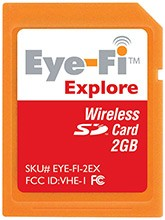
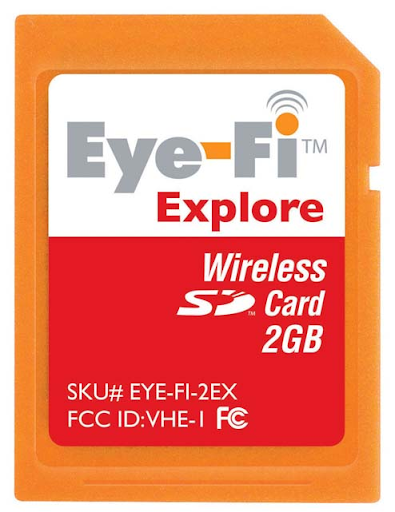
Not so long ago we reviewed the Eye-Fi, a 2GB SD card that adds Wi-Fi to any digital camera. Now the company is expanding their product line with the Eye-Fi Explore ($129), Eye-Fi Share ($99) and the Eye-Fi Home ($79). The big news? Eye-Fi is now supporting hotspots and geotagging with the Explore.It should be noted that even though the cards are set at different pricepoints, the Explore, Share and Home all feature identical hardware (that's actually the same as the original Eye-Fi). So instead of making hardware differentiations, the company is pricing the cards according to the backend service.The Explore Through a partnership with Wayport, users will be able to automatically upload their photos in about 10,000 hotspots through the US. Through the partnership, the user will not need to accept terms and conditions at every coffee shop, and the user can receive email notifications for successful uploads. But the catch is that the Wayport service is only good for one year (Eye-Fi is looking into longer term partnerships with more hot spot companies which they may or may not charge an additional fee for).Geotagging comes with the Explore as well through Skyhook's Wi-Fi triangulation (the same thing we see the current iPhone using instead of GPS).The Share This model is pretty much identical in features to the current Eye-Fi. You get automatic syncing with your PC as well as services like Flickr.The Home The Eye-Fi home is made for the guy who just wants to sync their photos with their PC, not upload them automatically to the web or hit up hot spots. It's essentially offering a price drop to consumers who aren't interested in the additional services.The cards will be available starting June 6th. And unfortunately, current Eye-Fi owners will not be able to simply upgrade their cards to have Explore capabilities. [Via: Gizmodo, The Gadget Blog ] [Tag: ]
Eye-Fi's expanding from a single card to a family of three tonight. All are the same 2GB as before, but now we've got the new flagship Eye-Fi Explore ($129), which includes geotagging courtesy of Skyhook (the same WiFi-based location system that helps the iPod touch and iPhone find their way). Then you've got the Eye-Fi Share ($99) -- basically the same card we used to know simply as the Eye-Fi -- and finally the Eye-Fi Home ($79), which appears to only be able to upload photos through desktop software using your home network. Expect 'em all on sale come June 6th. [Via: Engadget ] [Tag: breaking news,BreakingNews,eye-fi ]
It'd be absolutely spectacular to actually see one of these admittedly ambitious municipal WiFi projects actually work out every now and then, but instead, we're seeing the nails start to sink into yet another citywide WiFi coffin. This go 'round, the network blanketing most of Philadelphia, Pennsylvania is on the verge of sending out its last signals unless the city can devise a plan in short order to take it over from EarthLink, who unsurprisingly wants out on the double. Unfortunately, we don't have a great feeling about the system's future -- history has a way of forecasting, you know? [Via: CNET ] [Tag: internet,muni wifi,muni-fi,municipal wifi,MunicipalWifi,MuniWifi,pennsylvania,Philadelphia,rip,shut down,ShutDown,wifi ]
Considering that mechanical beings will be fighting our real wars here in just a few years, it's no shock to see more focus placed on the areas where actual humans will still be the ones waging. DARPA is looking to create what it calls a National Cyber Range, which would essentially act as a training ground for cyber warriors. The setup would enable defense gurus to simulate battle against attacks our on nation's most highly prized data, and of course, give victors over virtual phishing scams immense bragging rights. Come to think of it, Estonia could have totally benefited from something like this last year. [Via: Information Week ] [Tag: cyber threat,CyberThreat,cyberwar,darpa,hacker,hackers,military,national cyber range,NationalCyberRange,security,simulation,simulator ]
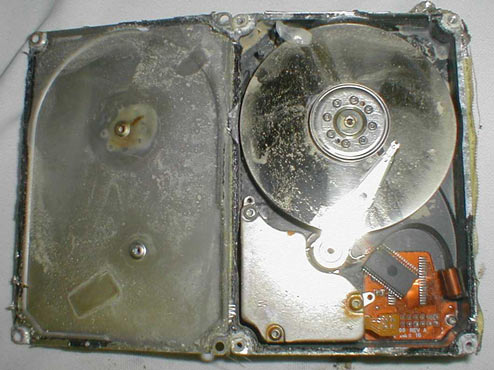
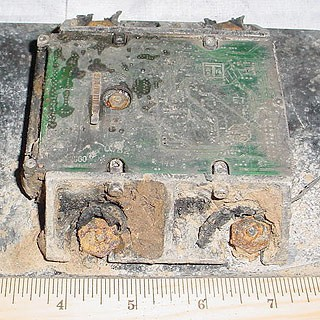
It's taken four and a half years, but the data recovery specialists charged with extracting data from a cracked, charred 400MB Seagate drive aboard the ill-fated Space Shuttle Columbia have done their duty, retrieving 99% of the information written to the disk. The Columbia burned up on re-entry on Feb. 1, 2003, over Louisiana and Texas. Computerworld reports that the drive was found in a dry lakebed and handed to a team at Kroll Ontrack about six months after the tragedy, but the successful recovery has only just come to light. So, you ask, what was on the drive that was so important?Computerworld reports that the shuttle mission included conducting atmospheric tests:
One of those tests was an experiment for the National Institute of Standards and Technology to determine how xenon gas flows in a zero gravity environment.
Phew, glad they recovered that data. No, seriously, it's apparently very valuable information. To someone. In fact, researchers just released the data in an academic publication.The drive, already eight years old at the time of the mission, took a beating in the crash, and took another beating during recovery. Stripped down to the platter alone, it was placed in another mechanism and "carefully aligned" with a new motor. As it spun, it sustained more damage, but didn't crap out before Kroll could get the goods. More gory details, and a lot of great pictures, are over at Computerworld.I know, I know: Why don't they make the shuttle out of the same material they make the drive? The non-standup-comedian answer is that two other drives on the shuttle were completely unrecoverable, so there's definitely a luck element here. [Computerworld]
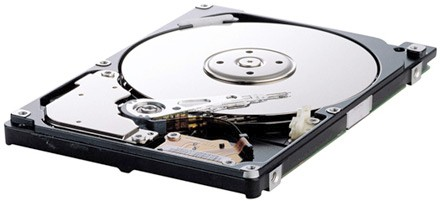
We've been wondering where Samsung's 9.5mm 500GB SpinPoint M6 laptop drive has been hiding, and it turns out that it's just been vacationing in France. No word on when these might make it Stateside, but if you're desperate (or French), your lappy can unbuckle that belt another notch or two for just €197 ($306).
Although it's been several years since the Space Shuttle Columbia disaster, it looks like some of the data gathered during the orbiter's final mission will be put to good use. A hard drive salvaged from the wreckage contains the results of an experiment to study the way xenon gas flows in microgravity, and the results were published in the April edition of a journal called Physical Review E. The 400MB Seagate drive was originally thought to be destroyed, but workers and engineers reconstructing the orbiter from the remaining debris found it during the process and sent it off for recovery, where 99 percent of the data was extracted. It then took several years for lead researcher Robert Berg and his team to analyze the findings, but they're happy with the results -- we only wish they hadn't come at so dear a price.
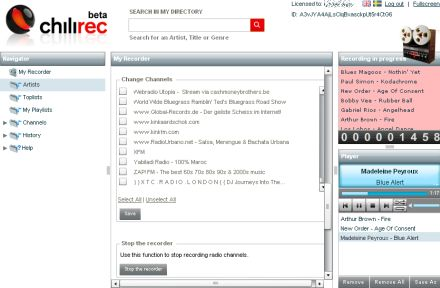
We've seen desktop applications that let you record music from internet radio streams. But ChiliRec is the first web app we've seen that rips music from online radio stations and stores it in folders.
Here's how it works. When you visit the Chilirec site, you can choose from a long list of online radio streams. By default, every single stream is selected, but you can uncheck the boxes next to any stations you don't want to record. Once you've selected your streams, ChiliRec will rip the songs from each station and store them online. You can access them from a list of recordings, play them with a Flash-based media player, or create and save playlists. You can also save files as MP3s to your desktop. Keep in mind, audio recorded from an internet stream may not sound as good as a track purchased from iTunes or other stores, and sometimes the beginning or end of the song may be cut off.
ChiliRec does not let users add their own radio streams. We have a feeling the service is constantly recording each of the streams in its directory, and when you sign up for an account it simply gives you access to the stored recordings starting at the moment you hit record. That would use up a lot less bandwidth and storage space than actually creating separate recordings for each user.
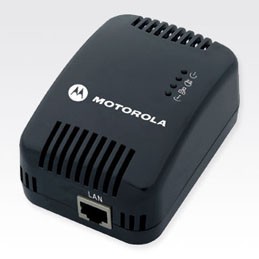
If you're waiting for broadband over power lines (BPL) as an alternative to cable or DSL in your area, it may be time to finally give in to one of the big companies. The American Radio Relay League (ARRL) -- a group of amateur radio enthusiasts -- has sued the FCC over its plan to speed up BPL's expansion, citing concerns that the service's radio emissions provide too many interference risks to the hobby / ham spectrum. While the FCC conducted a favorable study on BPL's potential problems, their published report had so many redacted sections that the ARRL wants to know what they missed. A D.C. district court agrees with the League, and plans for further rollout have been tabled until the FCC can come up with more facts. [Via: Engadget ] [Tag: arrl, bpl, broadband, fcc, powerline, powerline networking, PowerlineNetworking, powerlines ]
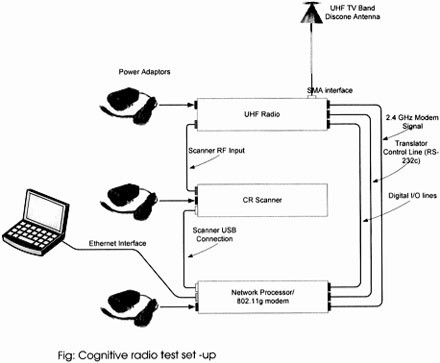
The stumbling blocks keep piling up as white space networking struggles to get off the ground: it looks like the manufacturers of healthcare equipment are set to join NAB in opposing the technology. Wireless medical telemetry devices like heart monitors have been operating in broadcast white spaces since the late 80s, and manufacturers like GE Healthcare say that the Microsoft- and Google-backed white space networking initiative could potentially "directly interfere" and "prevent patient monitoring." For its part, the FCC has set aside all of channel 37 for medical telemetry devices in 1998 after interference from a nearby TV station shut down the system at Baylor University Medical Center, but it wasn't mandatory, and hospitals that haven't made the switch could face millions of dollars in upgrade costs. That's not say that medical telemetry concerns are a problem that can't be solved -- the new Google push includes a channel 37 exception, for example, and there are some other compromise solutions on the table -- but it seems like there's no end of issues for a technology that hasn't really even been demonstratedworking yet. [Via: Engadget ] [Tag: ge healthcare, GeHealthcare, healthcare, hospital, hospitals, medical telemetry, MedicalTelemetry, white space, white space internet, white space networking, WhiteSpace, WhiteSpaceInternet, WhiteSpaceNetworking ]
Never one shy to pick a fight, Comcast is now taking square aim at AT&T, which it alleges is wreaking havoc with its internet service as a result of shoddy installs of the company's U-verse TV service. More specifically, as Ars Technica points out, while both companies use different lines outside of the home (copper coax for Comcast and twisted pair for AT&T), they each use the same coaxial wiring inside the house, which Comcast says causes "feedback" to leak back out onto its network, possibly as a result of the two services using similar frequencies or filters. That, Comcast says, has caused service disruptions for some 20,000 users in the Chicago area, with it particularly affecting those that mix and match Comcast and U-verse services. To put a stop to that, Comcast is now seeking a restraining order against AT&T, although it apparently hasn't received one as of yet. For its part, AT&T not only unsurprisingly says that "the suit lacks merit and that the company intends to vigorously fight it," but that it plans to significantly ramp up the roll out of U-verse in Illinois.
We've already seen a few viruses delivered viahardware, but a group of researchers from University of Illinois at Urbana-Champaign are now warning that we may not have seen anything yet. As New Scientist reports, they've apparently managed to develop their own "malicious circuits," which they say can interfere with a computer at a deeper level than a virus, and completely bypass traditional anti-virus software. To accomplish that slightly unsettling feat, the researchers created a replica of the open source Leon3 processor, and added about 1,000 malicious circuits not present in the original processor. Once they hooked that up to another computer they were apparently not only able to swipe passwords from memory, but install malware that would allow the operating system to be remotely controlled as well. Of course, they admit that sneaking such malicious circuits onto a chip isn't exactly an easy proposition, given that someone would either need to have access to a chip during its manufacturing process, or have the ability to manufacture their own. Or, as the project's lead researcher puts it, it's "not something someone would carry out on weekends."
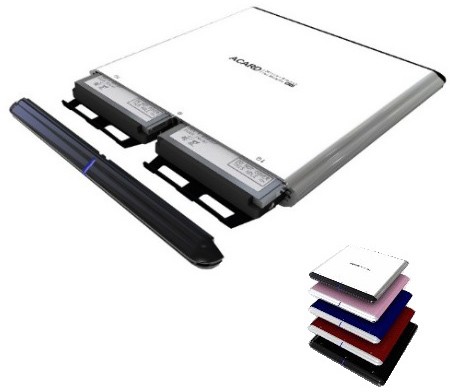
If you're looking for an odd, yet usable storage solution, perhaps ACARD's Mirror Smart Mini is the thing for you. The device uses two 2.5-inch SATA drives side by side in a small enclosure; the drives can be mapped as a hardware-based RAID 1 array, or can be used as separate devices. The aluminum casing plugs into your system using USB 2.0, but unfortunately requires an AC adapter for power, thus making it slightly less awesome than we want it to be. Regardless, if you're moving around a lot and need a backup option, you might have found your $69 answer.
"Memristors" are one of several memory technologies that have been theorized and promised in the coming years. HP has made a real memristor, however, and the way solid state memory is created and stored could have just changed forever. First theorized in 1971, memristors are basic circuits like resistors, capacitors, and inductors. These circuits are able to store data by allowing their levels of electrical resistance to fluctuate between high and low, or 0 and 1 to a computer. Like flash memory, they retain that data without power -- except they do it all on one circuit and at the speed of D-RAM. In the end, we could be looking at a whole new kind of storage, as long as someone can figure out how to get these things onto integrated circuits. Nerds hats off, return to your fanboyism -- now. [Via: Engadget ] [Tag: circuit, dram, hp, memory, memristor ]
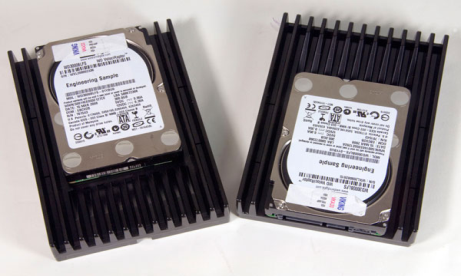
We already had some early benchmarks of Western Digital's speedy new VelociRaptor hard drive the day it was announced, but the folks at Extreme Tech have now had a bit more time to spend with the drive, and they've churned out a full review of it for those that still haven't made up their mind. As with others, they found the drive more than lived up to its promise of being the "world's fastest SATA disk," with it even beating out many solid state drives in terms of write performance. The biggest downsides, as you might expect, are its relatively high (but not unreasonable) price to gigabyte ratio, and its maximum 300GB capacity, although that's nothing a second (or third) drive can't solve. Of course, they don't stop there, and you can find plenty of charts and comparisons to quench your curiosity by hitting up the link below. [Via: Engadget ] [Tag: hard drive, HardDrive, velociraptor, wd, western digital, WesternDigital ]
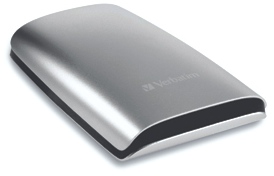
Because history has proven that hard drives must get smaller and more capacious, Verbatim went and released the 500GB 2.5-inch SmartDisk HDD. Despite claims from others, Verbatim says this marks the first available 9.5mm Z-height 2.5-inch hard disk. The drive is made up of three 166GB platters striped with Perpendicular Magnetic Recording at 5400RPM. With enclosure, it weighs in at less than 6 ounces and measures 3.38-inches by 5.38-inches by 0.63-inches in both USB and USB / FireWire combo versions. Expect it this summer for under $300. [Via: Engadget ] [Tag: hard drive, hard drives, harddrive, HardDrives, smartdisk, verbatim ]
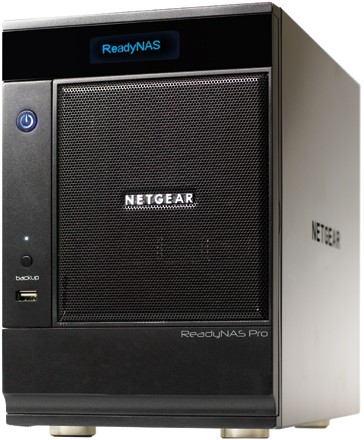
Four months is just too long to go without an all new ReadyNAS, so we suppose that's why Netgear is kicking out an all new 6-bay unit (6TB RNDP6610; 3TB RNDP6310; 1.5TB RNDP6350) for those obsessed with storage. The box can handle up to 6TB of HDD space and features an Intel Core 2 Duo processor, 1GB of DDR2 RAM (up to 4GB supported), 128MB of embedded flash for the OS, a pair of gigabit Ethernet ports, three USB 2.0 sockets and support for RAID 0/1/5/6 and Auto-Expandable X-RAID2. As expected, Windows / Mac / Linux clients can all tap in, and the unit streams all sorts of media on the side. Of course, acquiring the industry's first 6-bay small-form-factor NAS drive won't come cheap, with the ReadyNAS Pro starting at around two large. [Via: Engadget ] [Tag: nas, Netgear, readynas, readynas pro, ReadynasPro, RNDP6350 ]
Here it is copyright bandits, the single biggest reason (other than silicone) to make a Hollywood studio notice of you: the MZK-NAS02SG1T network attached server from Planex. The main selling point behind the the ¥54,799 (about $524) 1TB Gigabit Ethernet block is the claim to "universal access" for all your devices. That little trick comes courtesy of its DigiJuke browser for searching and tagging the BitTorrent and YouTube content you want downloaded in the appropriate PSP and iPod (MPEG-4), Wii (FLV), or TV (MPEG-2) format for in-home or on-the-go viewing. The NAS also streams audio and video to your iTunes laptops or desktops or DLNA TV, Xbox 360, or other compliant device in the home. A front-facing USB 2.0 jack offers one-touch dubbing of USB sticks while a second around back offers ready storage expansion. It ships with a pair of 3.5-inch 500GB drive which you can swap out for higher capacity spinners at a later date. That is if the studios don't shut you down first.
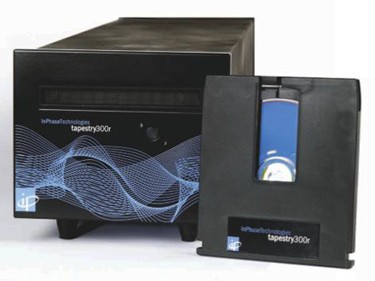
Talk about escaping the label of vaporware by this much. We've been hearing that holographic storage was right around the bend from InPhase for well over three years now, but it has finally managed to get its ducks in a row and should start shipping the unicorn-like Tapestry 300r next month. The firm had a demonstrative version on display at NAB Show earlier this month, and apparently real live working units will be making their way out to archival junkies in just weeks. Granted, it will demand a whopping $18,000 to get a shipping label made with your address on it, and each piece of 300GB media is $180 -- but hey, that's the price you pay these days to know that you'll decompose before your data degrades.
We knew it! There was just no way a single WiFi router was going to provide coverage from Mercury to Pluto. In order to ensure that all intergalactic beings are given fair and equal access to the intarwebz (and to build a "constellation" that'll act as a space-based network for communication, data storage and Earth observations, too), NASA is syncing up with m2mi. Of course, these two entities have worked together on occasion before, but this go 'round, they're looking to craft (relatively) minuscule nanosats that weigh between 11 and 110-pounds and could be placed in low Earth orbit in order to create a new telecommunications and networking system. As expected, nary a launch date is even hinted at, but while we lowly Earthlings worry over the eventual rollout of 4G services, these two hotshots will be focusing on 5G -- which incorporates VoIP, video, data, wireless and an integrated machine-to-machine intelligence layer. Far out.
 Not so long ago